To promote cooperation in shipping education in North America, Vice President Yin Ming of Shanghai Maritime University led a delegation on a visit to Canada and the United States from November 27 to December 4. The delegation visited multiple institutions and organizations, including Methanex, Seaspan, as well as the Foremost Group, British Columbia Institute of Technology (BCIT), the Massachusetts Maritime Academy, and Saint Martin's University. Principal officials from the International Office, the International Education College, the Student Affairs Office, and the Science and Technology Office of SMU accompanied the delegation.
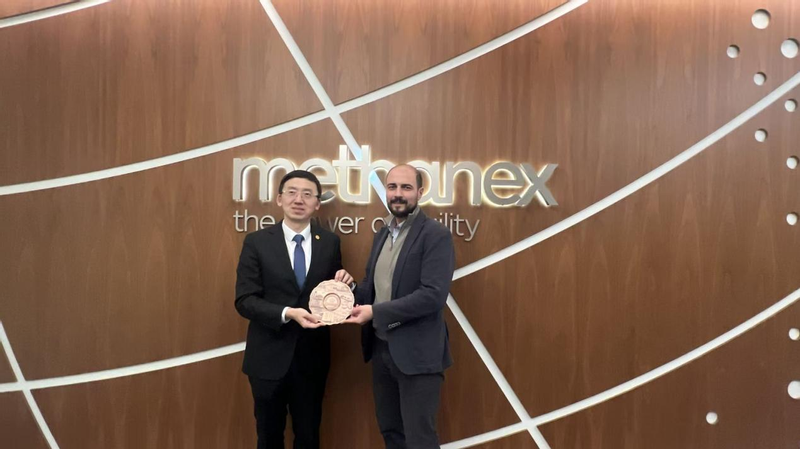
At Methanex Corporation, Yin Ming and his delegation engaged in in-depth discussions with Stefan Grubic,General Manager of the Marine Energy Management Department, on topics such as the application of green methanol as a clean energy source in the shipping sector, research on new shipping energy technologies, and the development of new energy supply chains. They exchanged views on the core requirements and implementation pathways for cultivating global talents in green shipping. Yin Ming pointed out that as a globally significant maritime institution, Shanghai Maritime University shares broad prospects for cooperation with Methanex in areas such as high-end shipping talent cultivation, technological innovation in new shipping energy, and student internships. He expressed hope for deepening practical cooperation in the future to jointly promote the green transformation of the shipping industry.
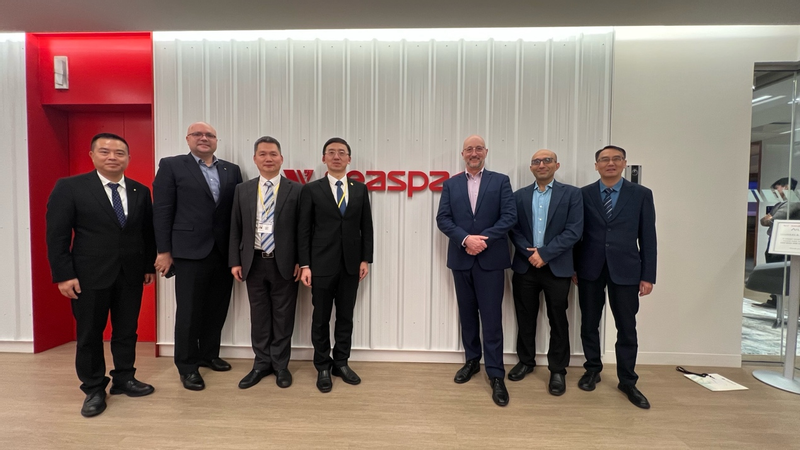
At the headquarters of Seaspan Corporation, Yin Ming and his delegation met with Peter Jackson, Chief Technology Officer, Pritam Arjun Nihalani, Senior Manager, Fleet Personnel, Manoj Suri, Senior Vice President, Fleet Management, Alfred Gomez, Director Marine Standards and Igor, Senior Commercial Operations Manager in Europe. Yin Ming, on behalf of the University, thanked Seaspan for its consistent support in cultivating shipping talents. Both parties exchanged views on the current development characteristics and future trends of the shipping industry, as well as the management and operations of Seaspan. Special discussions were held on the future cultivation of maritime talents. Seaspan expressed gratitude to the University for supplying a large number of maritime professionals and clearly stated its anticipation for expanded cooperation. Yin Ming stated that both sides could explore deeper collaboration in areas such as high-level maritime talents and interdisciplinary shipping talents, achieving internationalized university-enterprise collaborative education.
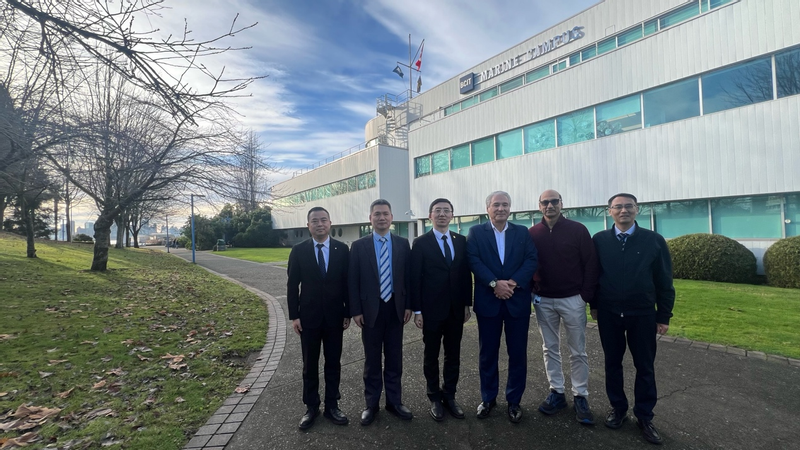
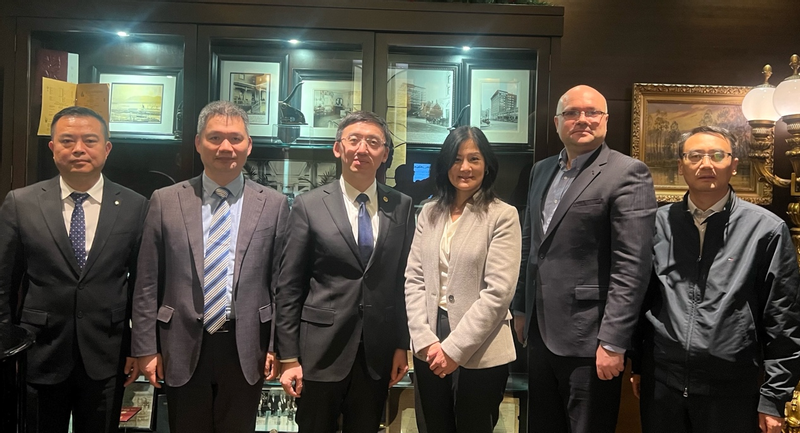
During their stay in Canada, the delegation also visited the Shipping Federation of Canada, holding talks with Bonnie Gee, Chair of the Association, and Rishi Luthra, Director of Marine Operations. Yin Ming introduced the latest developments in China's shipping industry and the Shanghai International Shipping Center, proposing suggestions for future exchanges and cooperation. The delegation visited the British Columbia Institute of Technology, touring its maritime education and training facilities, and held discussions withRussell Oye, Interim Associate Dean of Marine Campus, on cooperation in maritime education and Belt and Road talent development projects. Yin Ming noted that the two institutions have broad cooperation potential in student exchange, faculty exchange, and the development of international maritime education standards.
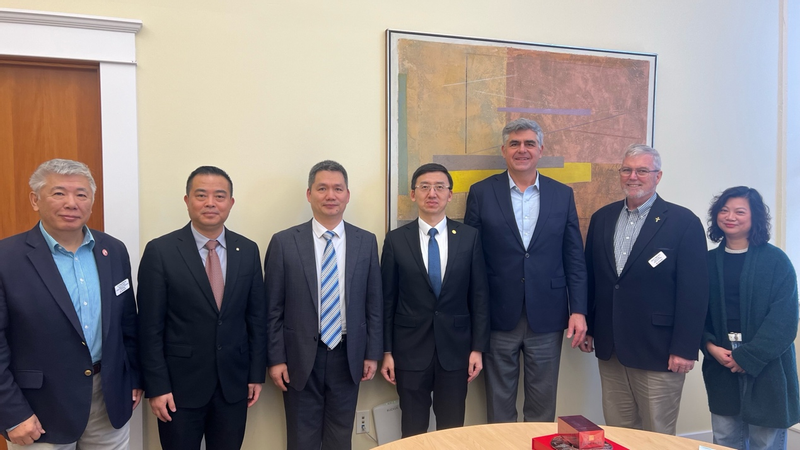
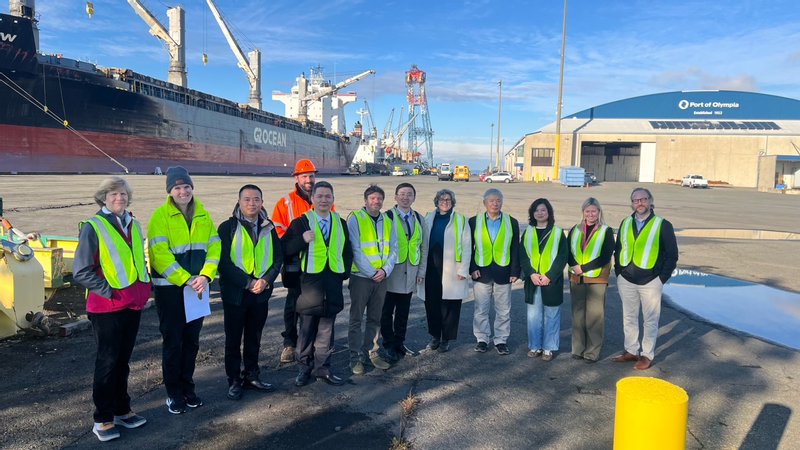
During their visit to the United States, the delegation first visited Saint Martin's University, where they were received by President Bill Brownsberger, Vice President of Academic Affairs David H. Olwell, and other representatives. Both sides reviewed the history of cooperative education between the two institutions since 2001 and engaged in in-depth discussions on future cooperation in student and faculty exchange, joint scientific research, and Belt and Road talent development projects. Yin Ming also suggested that, given the continuous development of the shipping industry, the two universities should strengthen disciplinary integration and collaborate on cultivating interdisciplinary shipping talents. While in Seattle, the delegation also conducted field visits to the port areas of Olympia and Tacoma, gaining an in-depth understanding of the current state of port and shipping technology development and industry talent demands.
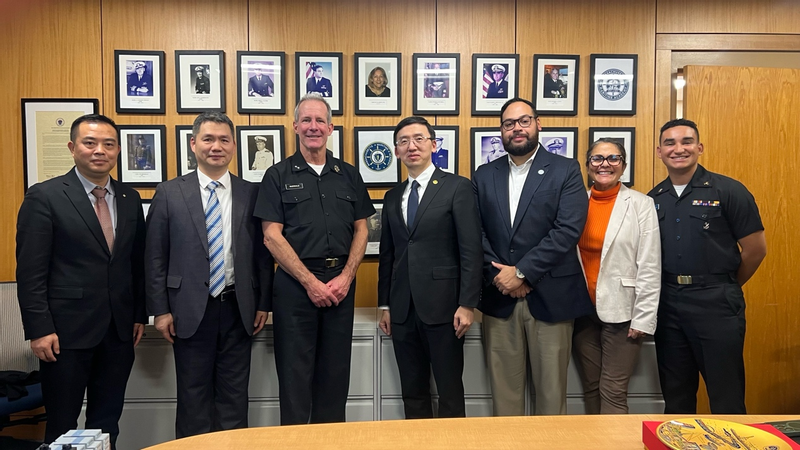
At the Massachusetts Maritime Academy, the delegation held talks with President Francis X. McDonald and other representatives. Both sides reviewed their long-standing history of cooperation and engaged in detailed discussions on key issues such as joint shipping talent cultivation, discipline and program development, faculty exchange, application for shipping technology projects, and academic resource sharing. President McDonald noted that Shanghai Maritime University is a globally renowned maritime institution. Yin Ming stated that both institutions possess distinct shipping characteristics and a long history of cooperation. Facing the digital, green, and low-carbon development trends in the shipping industry, both sides should expand the scope and intensity of their collaboration in the future.
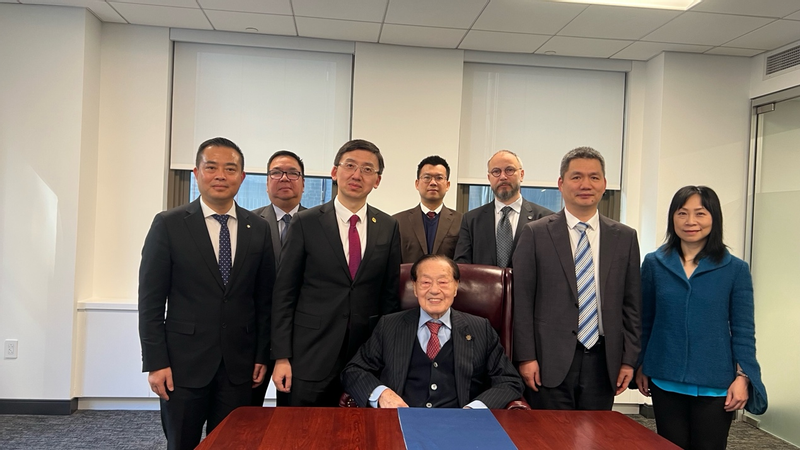
The delegation also visited the Foremost Group in the United States, meeting with Dr. James S. C. Chao, Chairman of the Group and a distinguished alumnus of the University. Dr. Chao extended a warm welcome to the delegation. Yin Ming, on behalf of the University, expressed sincere gratitude to Dr. Chao and the Mulan Foundation for their longstanding support, particularly the recent donation for the construction of a navigation simulator. Yin Ming introduced the University's notable achievements in recent years in talent cultivation, scientific research, social service, and international exchange. Dr. Chao emphasized the importance of education and talent, expressing his hope that the University would play an even more significant role in cultivating international shipping professionals.
This visit further strengthened SMU's ties with the North American shipping industry, expanded the network of cooperation between the University and the maritime sector in North America, and led to a series of cooperative consensuses. This trip not only injected new momentum into enhancing the quality of talent cultivation and strengthening scientific research innovation capabilities at the University but also effectively expanded the University's influence in the field of international maritime education, laying a solid foundation for further promoting the internationalization of shipping education.