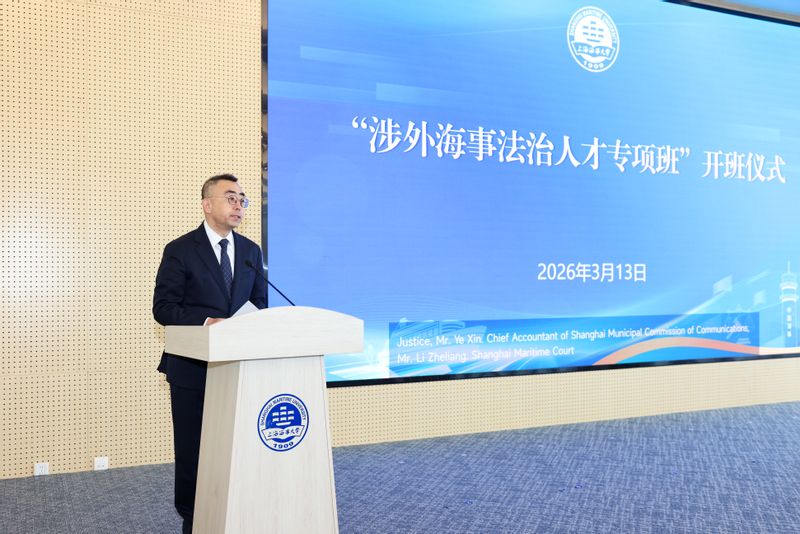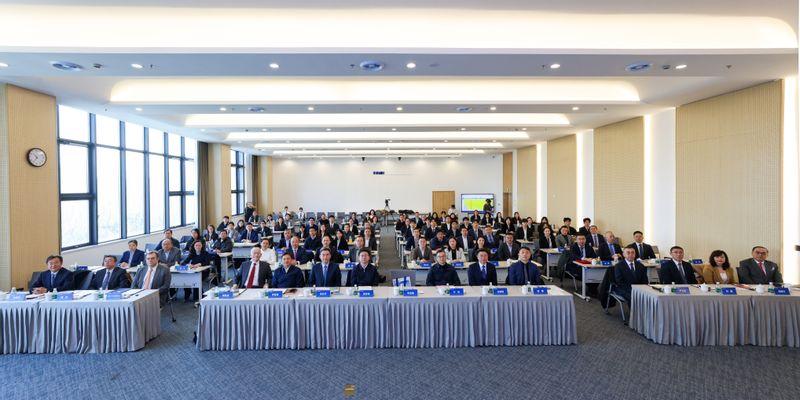
On March 13, Shanghai Maritime University held the inauguration ceremony for the Program for Foreign-Related Maritime Legal Talents at Lingang Campus, marking a milestone in the university’s efforts to innovate the training system for professionals in foreign-related maritime rule of law.
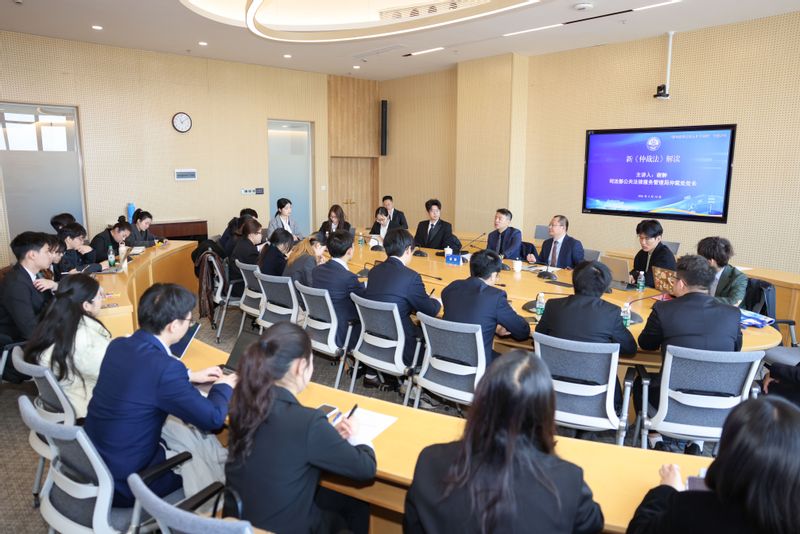
Attending the ceremony were Luan Zongtao, Deputy Director of the Shanghai Municipal Commission of Education; Ye Xin, Director of the Political Department of the Shanghai Municipal Bureau of Justice; Li Zheliang, Chief Engineer of the Shanghai Municipal Commission of Transport; Shen Yingming, Vice President of the Shanghai Maritime Court; Xie Chong, Director of the Arbitration Division, Bureau of Public Legal Services Administration, Ministry of Justice; Song Baoru, Chairman of the Shanghai Maritime University Council; Chu Beiping, President of Shanghai Maritime University; and Shi Xin, Vice President of Shanghai Maritime University. Also present were representatives of partner institutions involved in collaborative talent development in foreign-related maritime rule of law, including government agencies, arbitration institutions, industry associations, shipping enterprises, and universities, as well as university administrators, faculty representatives from the Law School, and more than 100 students from the program. The ceremony was presided over by Yan Dalong, Vice Chairman of the Shanghai Maritime University Council.
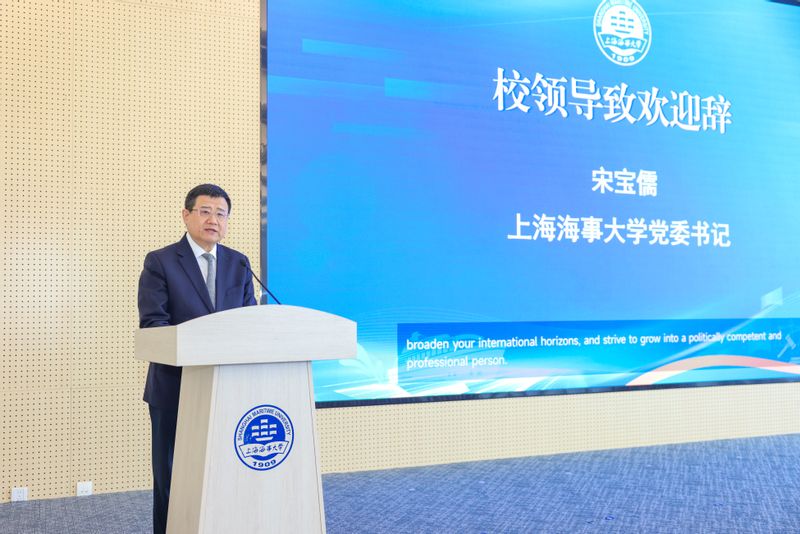
In his welcoming remarks, Song Baoru said that the launch of the program was a concrete step by the university to implement President Xi Jinping’s important instruction to “fully understand the importance and urgency of strengthening foreign-related rule of law work.” He added that the program also supports the development of Shanghai as an international shipping center, as well as contributing to the advancement of the international shipping industry. He encouraged the first cohort of students to cherish the opportunity, sharpen their professional competence, and broaden their international outlook.
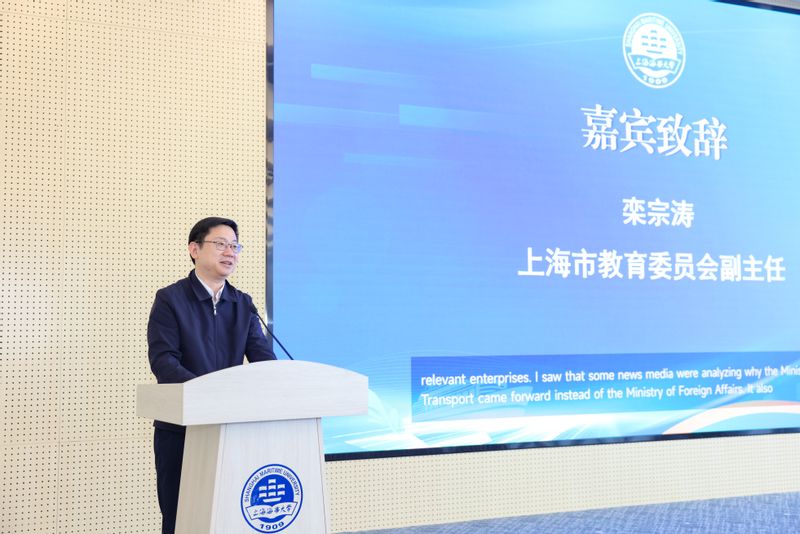
In his remarks, Luan Zongtao noted that profound changes in the international landscape and in the global ocean governance system have made China’s need for high-level, practice-ready professionals in foreign-related maritime rule of law more urgent than ever. He expressed the hope that the university would create a “Shanghai model” for talent-training reform, that the program’s expert mentors would serve as trusted guides for students, and that its participants would aspire to become a pioneering force in foreign-related rule of law.
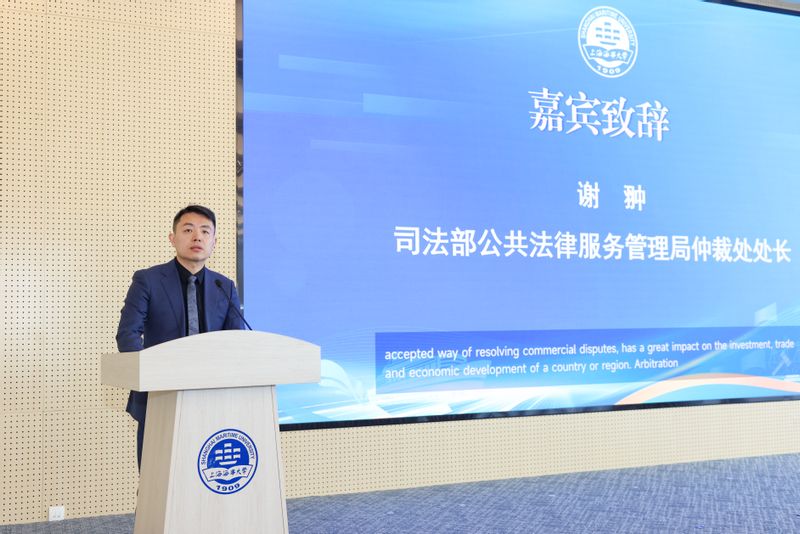
Xie Chong stated that China’s arbitration is gaining growing international influence, but that shortcomings remain in the development of foreign-related arbitration talent, with the mismatch between supply and demand being particularly acute in the maritime sector. He said the launch of the program was therefore both important and timely, and expressed the hope that it would play a demonstrative and leading role and offer useful experience for arbitration talent development nationwide.
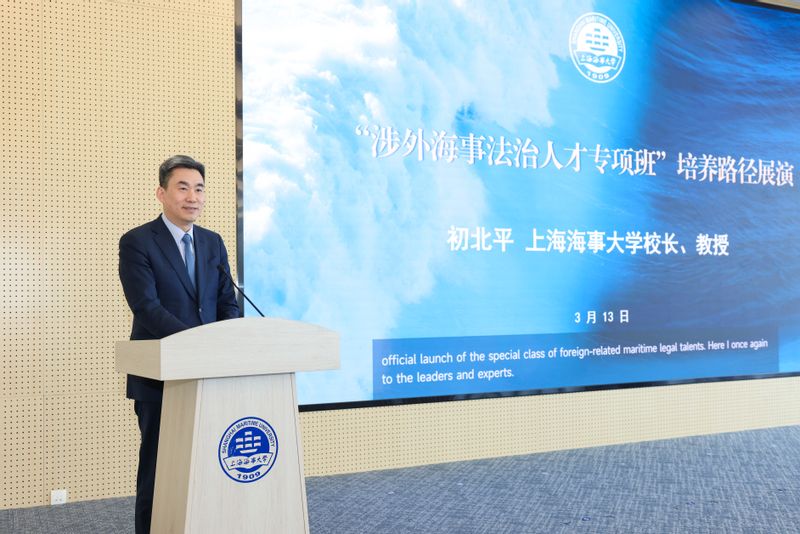
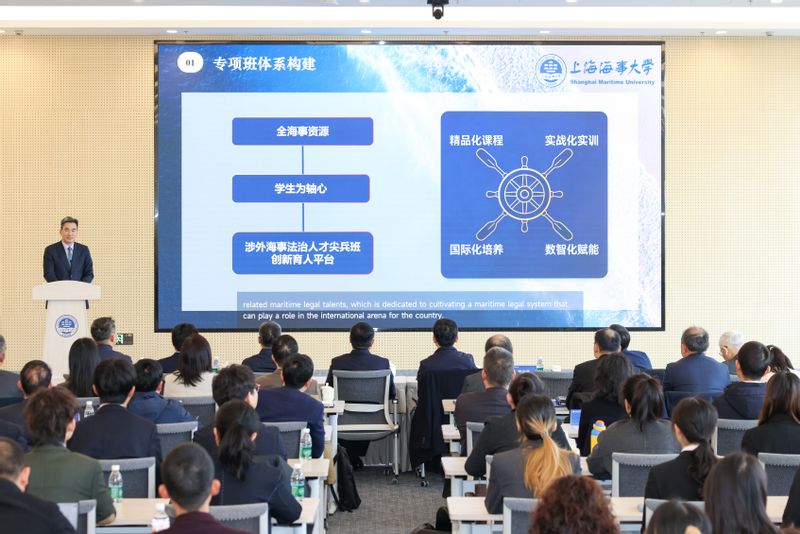
Chu Beiping then presented the program’s training pathway. He explained that the university has designed a distinctive four-pillar training framework specifically for the program: premium coursework as the foundation, practice-oriented training to strengthen competence, internationalized cultivation to broaden horizons, and digital-intelligent empowerment to elevate capacity. Drawing on “all maritime resources” and placing students at the center, the university aims to build an interdisciplinary innovation platform for elite foreign-related maritime rule of law talent. Guided by industry needs, the program is designed to cultivate versatile professionals who are proficient in foreign languages, well versed in shipping, grounded in law, and literate in digital and intelligent technologies, thereby creating a direct pathway from classroom learning to professional practice. Closely aligned with cutting-edge developments, the program features three core curriculum modules, a high-level international teaching team, stronger case-based instruction, and scenario-based practical training. It will also expand students’ access to the international arena by creating opportunities for hands-on arbitration, live negotiation, risk response, and professional networking, so that students can develop practical competence to a high standard within a relatively short training cycle—making the classroom itself a proving ground and ensuring that graduates are ready for the job from day one.
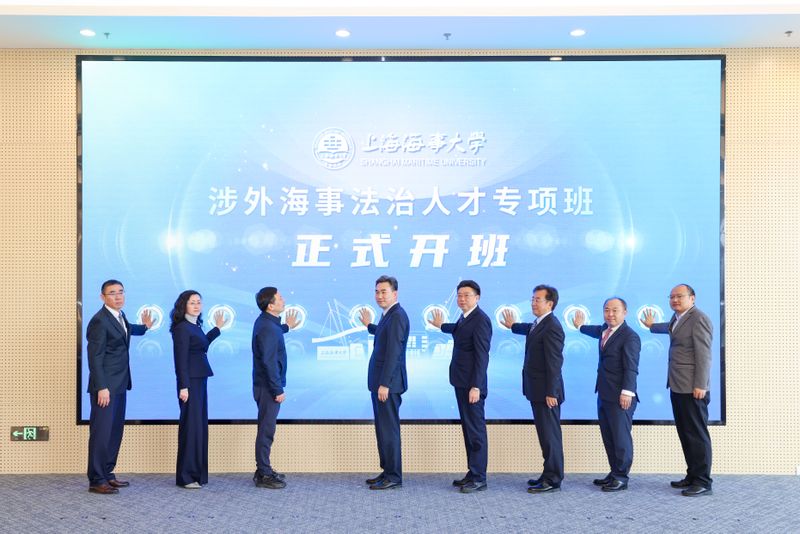
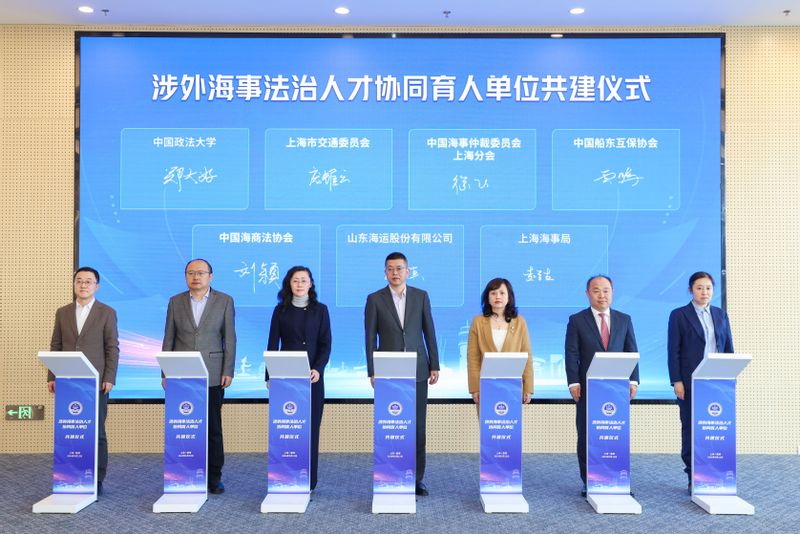
At the launch ceremony, President Chu Beiping joined Li Zheliang, Chief Engineer of the Shanghai Municipal Commission of Transport; Shen Yingming, Vice President of the Shanghai Maritime Court; Sun Haihua, Vice President of the Shanghai Arbitration Commission; Liu Shun, Secretary-General of the China Institute of Navigation; Xu Fei, Deputy Secretary-General of CMAC Shanghai Headquarters; Jia Peng, Deputy General Manager of the China Shipowners Mutual Assurance Association; and Liu Ying, Director of the Secretariat of the China Maritime Law Association, in jointly sounding a ship’s whistle to mark the official launch of the program.
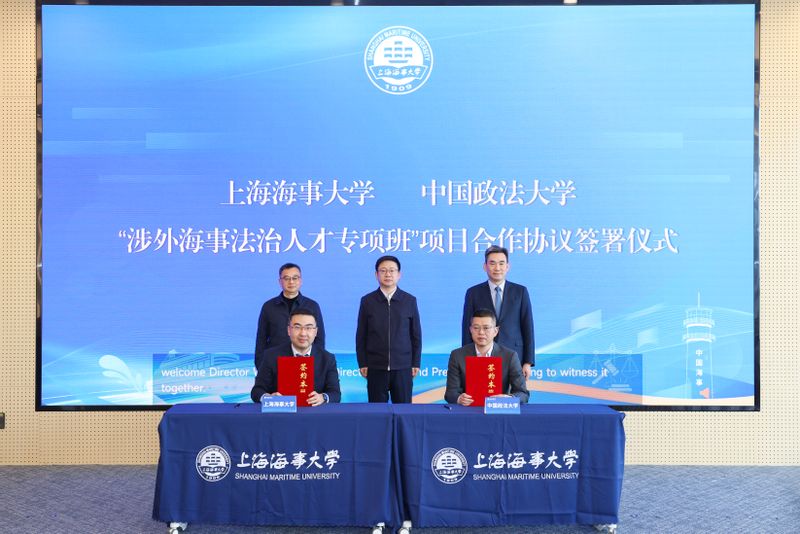
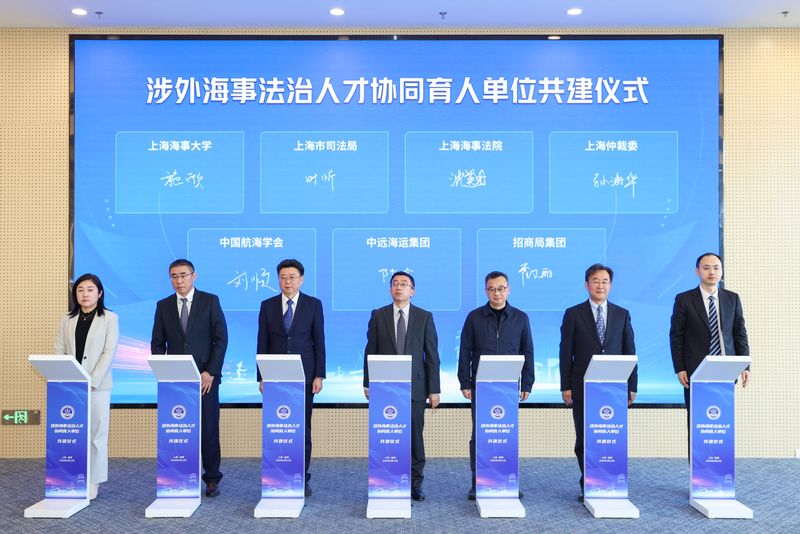
The university also signed a cooperation agreement with the China University of Political Science and Law for the special class, and entered into co-development agreements with 14 partner institutions, including the Shanghai Municipal Bureau of Justice, Shanghai Maritime Court, Shanghai Arbitration Commission, China Institute of Navigation, COSCO SHIPPING Group, and China Merchants Group, thereby forming a collaborative education model that integrates local-university cooperation with industry-education synergy.
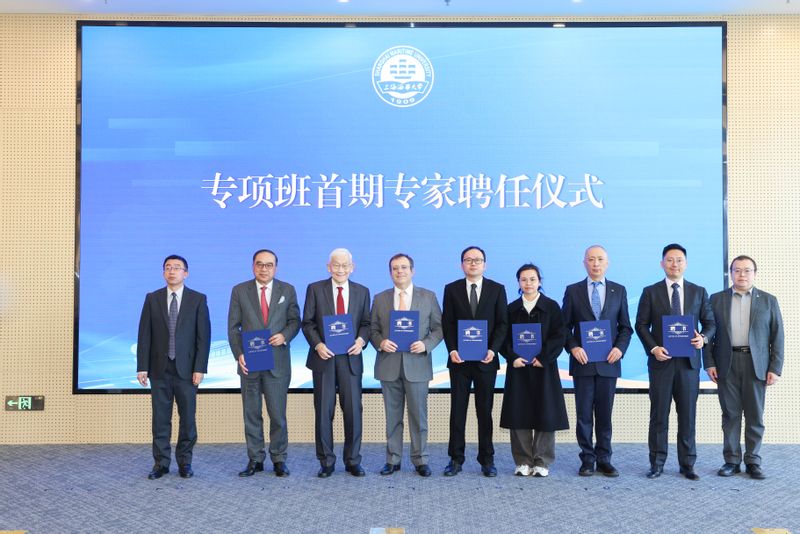
At the first ceremony for appointing expert representatives, Vice President Shi Xin and Yang Jie, Director of the Higher Education Divisionof the Shanghai Municipal Commission of Education, presented letters of appointment to a group of distinguished experts and scholars from China and abroad, including Philip Yang Liang-Yee, Member of the Expert Committee of the International Commercial Court of the Supreme People’s Court of China and Honorary Chairman of the Hong Kong (China) International Arbitration Centre; Luca Castellani, former Legal Officer of the UNCITRAL Secretariat; Lianjun Li, Senior Partner at Reed Smith Richards Butler LLP; Zhang Renping, Professor at the School of Law of Dalian Maritime University and specialist in international maritime conventions; Wei Zhuang, Head of Asia Pacific at BIMCO; and Hong Kong-based independent arbitrators Wang Kexin and Gong Hang.
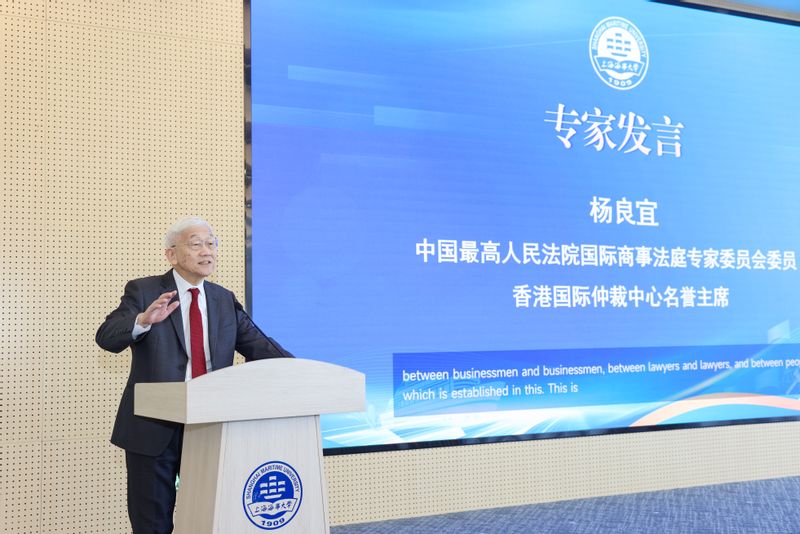
Speaking on behalf of the experts, YANG Liang Yee Philip said he hoped the program would further strengthen what he called its “core foundations”—that is, a systematic command of key common-law principles such as contract law, evidence law, and arbitration law—so that students would be equipped to engage the world’s leading experts on the international arbitration stage with confidence and intellectual rigor. He added that he would fully support the development of the program, and expressed the hope that, through this innovative platform, Shanghai would accelerate its progress toward becoming an international maritime arbitration center and the country would train a new generation of maritime legal professionals capable of safeguarding national interests and participating in global governance on the international stage.
The launch of this Program for Foreign-Related Maritime Legal Talents is not only an important milestone in Shanghai Maritime University’s deepening reform of foreign-related legal talent cultivation, but also a vivid example of how the university is serving the development of international shipping and responding to the needs of the times.